
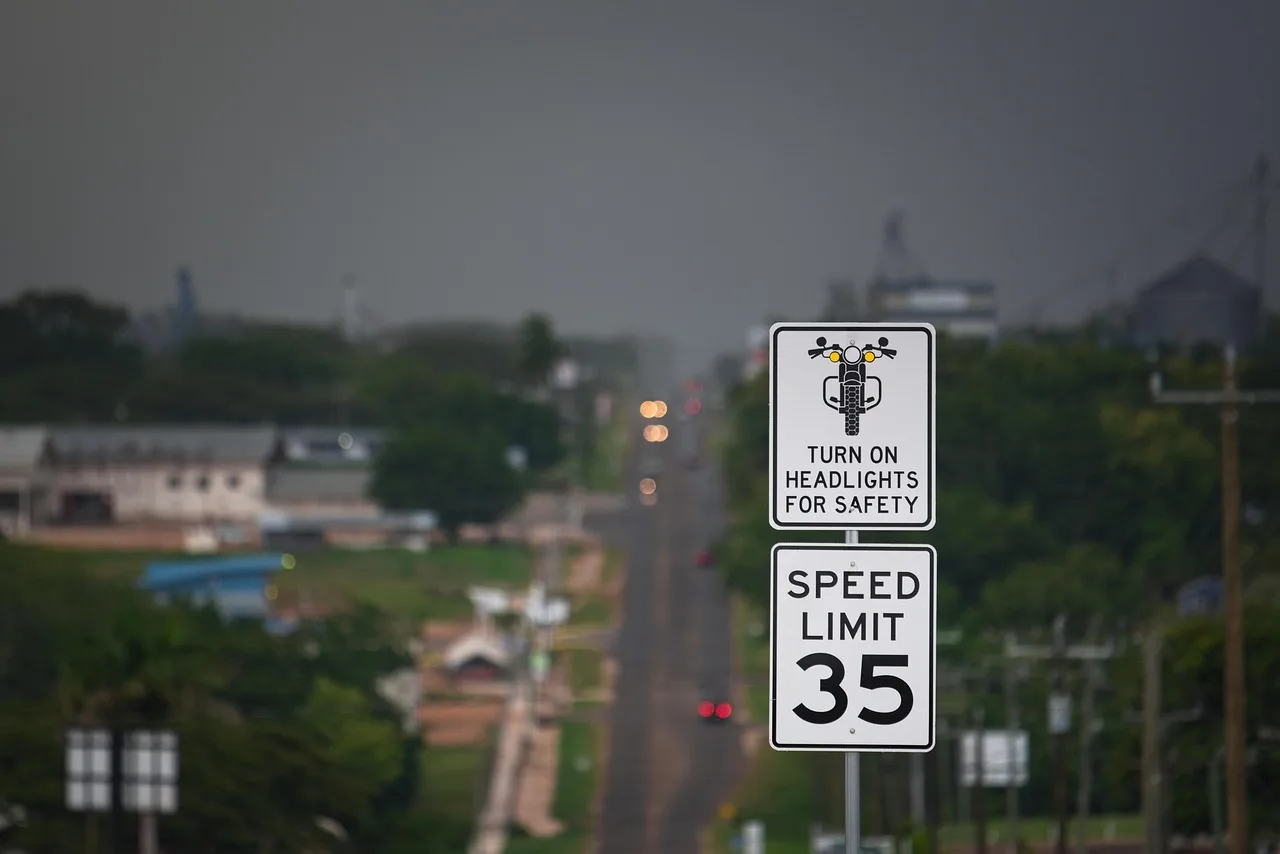
Why Is Tailgating Especially Dangerous Around Motorcycles?
Tailgating around motorcycles is dangerous because riders can be harder to spot and have less room to brake, swerve, or avoid debris; a common rule of thumb is to keep at least a 3-second following gap, and about 4 seconds or more in rain or low visibility. Leave that space, or a light brake tap can turn into a crash with far higher injury risk. This guide explains why the danger rises around motorcycles and what drivers and riders should do in traffic and bad conditions.
Why tailgating is worse around motorcycles
Tailgating means following too closely. Around a motorcycle, that matters more because the rider has less physical protection, less stability than a car, and less margin for a sudden stop or swerve. A car that sits too close turns a small mistake into a rear-end collision much faster than most drivers expect.
The risk is not one thing. There is the visibility problem, where the driver may not detect the bike soon enough, and there is the braking-distance problem, where the rider has almost no room if traffic slows or stops. Those are separate failure modes, and both get worse when a vehicle sits on a motorcycle’s rear wheel.
Motorcycles are smaller, have a shorter wheelbase, and can react differently to abrupt inputs than passenger cars. That means a rider may need to brake, steer, or hold a line with very little room to spare. If the road surface changes, the margin can disappear fast.
Say a bike is moving through stop-and-go traffic at about 20 mph and a pickup sits a car length behind it. A sudden brake tap from the car ahead leaves the rider with only a brief moment to stop cleanly. The same gap that feels merely annoying in a sedan can become a crash setup on a motorcycle.
Why a small gap becomes a big problem
Rear-end impacts are especially dangerous for motorcyclists because there is no metal box around the rider. Unlike cars, motorcycles do not have airbags or crumple zones, and there is no seat belt to hold the rider in place. That is why even a low-speed impact can be catastrophic.
Tailgating is hazardous, particularly for vulnerable motorcycle riders. A sharp brake from the bike ahead, a pothole, or a piece of debris can force the rider to react instantly. When the following vehicle is too close, the rider has no reserve space to correct the line or stop cleanly.
Why drivers miss motorcycles in traffic
Drivers may tailgate motorcyclists because they do not see them. Motorcycles are harder for drivers to see, especially in blind spots, and a driver may look past the bike when scanning traffic. That is a detection problem, not just an impatience problem.
Blind spots make the issue worse because a motorcycle occupies less visual space than a car or truck. A larger vehicle behind or beside a bike can also block a driver’s view of the lane ahead. When that happens, the following driver may not notice the motorcycle’s speed change until there is no time left.
High-visibility clothing helps riders stand out more. It can improve conspicuity to inattentive drivers, especially in busy traffic or fading light. It does not remove the need for space behind the bike.
How a bike’s shape affects detection
A motorcycle’s narrow profile gives drivers less to notice. In a crowded lane, a rider can blend into background traffic, especially when a vehicle is looking over roofs, mirrors, and pillars rather than directly at the bike. That is one reason close following is so risky around motorcycles.
Picture a silver motorcycle riding near a white SUV in heavy traffic. If the driver behind is scanning brake lights on several vehicles at once, the bike can disappear into the visual clutter. The rider is still there, but the driver’s attention may go elsewhere.
Motorcycle stopping distance and rear-end risk
How much stopping distance do motorcycles need? More than a driver should assume when following closely. Stopping distance depends on speed and road conditions, and it must account for sudden braking, not just steady slowing. The 2-second rule is only a basic estimate.
That estimate may be too short in rain, at night, on hills, or around larger vehicles. A motorcycle can brake sharply, but the rider still needs space to finish the stop without being hit from behind. If the road is slick or uneven, the margin shrinks again.
Riders are advised to slow down to increase stopping distance. Speeding up makes the situation more hazardous by reducing the gap ahead. The rider cannot control the tailgater, but can sometimes create a little more room in front.
Why sudden braking is such a problem
Rear-end collision risk rises when the lead vehicle brakes suddenly. On a motorcycle, that can happen because of traffic, a lane change, a pothole, gravel, or road debris. A rider may need to brake harder than a driver expects, and the following driver has almost no time to respond.
The motorcycle’s shorter wheelbase and smaller contact area also matter. Those features help a bike fit and move through traffic, but they do not give a tailgated rider a bigger safety buffer. When the back vehicle is too close, the rider’s limited margin is gone.
How road conditions change the gap needed
Rain can stretch stopping distance and reduce tire grip. Hills change how quickly speed builds or bleeds off. Night riding makes contrast worse and can make a motorcycle harder to pick out in mirrors. Each condition argues for more following space, not less.
A common first-timer mistake is treating the 2-second rule as a fixed number in every situation. Behind a motorcycle in rain, that gap may be too short to avoid a rear-end impact if the bike brakes suddenly or a hazard appears in the lane.
How tailgating blocks a rider’s escape path
Tailgating does more than cut reaction time. It can block a rider’s escape path and limit lane-change options. If the rider needs to move left or right to miss debris, a vehicle close behind can take away the space needed to do it safely.
That matters in stop-and-go city traffic, on two-lane roads, and in lane splitting where legal. A motorcycle may need to shift position quickly to avoid a door opening, a patch of gravel, or a car drifting into the lane. Close following makes those moves harder.
What boxed-in traffic changes
When a rider is boxed in, the options narrow fast. A tailgater behind, a vehicle beside, and traffic ahead leave very little room for correction. Even a small swerve can create a chain reaction if the rider has no clear path to either side.
On two-lane roads, a tailgating vehicle can also pressure the rider into speed choices that are not safe. On hills, braking distances and sight lines often change together. In lane splitting, the space around the bike is already limited, so close following is especially risky.
What drivers should do instead
Drivers should leave more than the 2-second rule when following a motorcycle, and increase that gap further in poor conditions. In rain, at night, or behind larger vehicles, extra space gives the rider room to brake and gives the driver more time to see what happens ahead.
A safe gap is not about being cautious in the abstract. It is about giving the motorcycle enough room for sudden braking, a minor line correction, or debris in the lane. Close following removes all three options at once.
If the vehicle ahead is a motorcycle, stay back far enough that you can see the whole bike and a clear space around it. If the road is wet, visibility is poor, or traffic is crowded, increase that distance again.
What larger vehicles should do
Large vehicles need even more space behind a motorcycle because their front end sits higher and their view can be restricted. A truck or SUV that follows too closely can block the view of the lane ahead and increase the force of a rear-end collision. Extra distance helps both problems.
Do not sit close simply because traffic is slow. A motorcycle may need to stop or swerve with little warning, and the bigger the following vehicle, the less forgiving the crash outcome if things go wrong.
What should a motorcyclist do if tailgated?
If a car behind a motorcycle is tailgating, stay calm and avoid escalation. The safest response is usually to create space ahead if possible, change position when it is safe, and pull over if the driver will not back off. Do not speed up to “get away” from the problem.
Pulling over is recommended if the driver behind will not back off. That is especially true on a narrow road, in heavy traffic, or when the rider is boxed in and cannot safely keep building a cushion in front.
Practical steps for riders
- Hold a steady line and avoid sudden moves.
- Increase space ahead by easing off the throttle if traffic allows.
- Check mirrors and blind spots before changing position.
- Move right or left only when the lane is clear and legal.
- Use a safe pull-off area if the tailgater keeps following too closely.
In city traffic, the best move may be to let the tailgater pass at the first safe opening. On a two-lane road, that may mean waiting for a wider shoulder or a turnout. In lane splitting, it means keeping control of speed and spacing instead of trying to outpace the problem.
Motorcycle tailgating risk check
| Scenario | Why it is dangerous | Safest response |
|---|---|---|
| City traffic | Stops are frequent, gaps close fast, and the rider may need to brake hard with little warning. | Drivers should leave extra space; riders should keep a buffer ahead and avoid sudden lane changes. |
| Two-lane roads | Limited passing space and long sight lines can tempt drivers to crowd the bike. | Riders should maintain a steady line and pull off when a safe turnout appears. |
| Night riding | Motorcycles are harder to see, and depth judgment drops in low light. | Drivers should widen the gap; riders should use high-visibility clothing and keep lighting in good working order. |
| Rain | Stopping distance grows and traction drops, so a sudden brake takes longer to absorb. | Leave more than the 2-second rule and reduce speed before the road becomes slick. |
| Hills | Grades change braking load and can shorten the visible distance to what is ahead. | Increase following distance and avoid closing in on the bike at the crest or bottom of the hill. |
| Lane splitting | The motorcycle has less side space, and a close follower reduces escape options. | Keep clear of the bike’s path and never crowd the lane edges. |
| Large vehicles following a motorcycle | Rear visibility is limited, and the mass of the vehicle raises the severity of a rear-end impact. | Back off, keep the bike fully visible, and leave a larger gap than you would behind a car. |
Frequently asked questions
Why is tailgating especially dangerous around motorcycles?
Tailgating is especially dangerous around motorcycles because the rider is harder to see and has far less protection if a crash happens. A close follower also removes the bike’s margin for sudden braking, swerving, or debris in the lane. That combination makes a small mistake far more likely to end in a severe rear-end collision.
Why do motorcycles need more space behind them?
Motorcycles need more space behind them because they can stop, turn, and react with less stability than cars, and the rider has no metal body, airbags, or crumple zones around them. The extra gap gives room for sudden braking, surface changes, and small corrections that a tailgater can easily ruin.
How much stopping distance do motorcycles need?
There is no single number that fits every road, speed, and weather condition. A 2-second rule is a basic estimate, but it can be too short in rain, at night, on hills, or around larger vehicles. The safer answer is to leave more room whenever visibility or traction drops.
What should a motorcyclist do if a car is tailgating them?
The safest response is to stay calm, keep control of the bike, and look for space ahead. If possible, change position safely or let the car pass. If the driver will not back off, pulling over is the best de-escalation option when it is safe and legal to do so.
Can a car behind a motorcycle see hazards in time?
Not always. A driver behind a motorcycle may not see the bike soon enough, especially in blind spots, at night, or in traffic clutter. Even when the motorcycle’s brake light is visible, the driver may still need more time than a tailgating gap allows to spot a hazard and respond safely.
Does tailgating make motorcycle crashes more severe?
Yes. A close-following vehicle raises the chance of a rear-end collision and can make the impact worse because the motorcycle offers little physical protection. The risk is especially high with larger vehicles, where the force of impact and the bike’s lack of crumple protection can turn a survivable mistake into a catastrophic crash.
What should drivers do instead of following a motorcycle too closely?
Drivers should leave a larger gap than they would behind a car, and increase that gap in rain, at night, and behind larger vehicles. The goal is simple: give the rider room to brake or swerve, and give yourself time to see what the motorcycle does before you have to react.
Why do drivers not notice motorcycles when tailgating?
Drivers often do not notice motorcycles because the bike is smaller, easier to miss in blind spots, and easier to overlook in busy traffic. A larger vehicle ahead or beside the motorcycle can hide it even more. High-visibility clothing helps, but it cannot replace safe following distance and active scanning.
