What Causes Distracted Driving?
Distracted driving starts when a driver takes eyes off the road, hands off the wheel, or mind off driving; even a few seconds can mean a missed brake light, a lane drift, or a rear-end crash. The cost is slower reactions and mistakes that can turn a routine trip into a collision. This guide explains what triggers distraction, the type involved, and the driving mistake it causes next.
What distracted driving
Any task that pulls attention from driving is a distraction. The CDC identifies three main distraction types: visual, manual, and cognitive, and a single event can involve more than one at once. That matters because the next problem is usually not the distraction itself, but the driving error it creates.
Quick glances still matter because hazard detection depends on steady scanning. A brief look at a phone, a screen, or a billboard can be enough to miss a brake light, a changing signal, or a pedestrian stepping off the curb.
How distraction changes driving attention
Distraction breaks the driving task into pieces. Instead of watching the lane, judging gaps, and reading traffic flow at the same time, attention shifts to a message, a menu, a conversation, or something outside the vehicle. That split often leads to delayed braking, lane wandering, or missed signals.
Why distraction turns into a crash risk
Distracted driving is dangerous because it cuts hazard detection and slows the response that should follow it. The CDC reports over 3,100 distracted-driving deaths and about 424,000 injuries in 2019, and nine people in the United States are killed every day in crashes involving a distracted driver. TIRF also notes that distracted drivers can weave, speed irregularly, and lose situational awareness. (CDC)
Those errors are how a distraction becomes a crash risk. A driver who notices the hazard late may brake hard, drift out of lane, or fail to react at all.
Common driving errors that follow distraction
The pattern is usually predictable. A trigger pulls attention away, the driver misses a cue, and the vehicle does the wrong thing next.
- Lane wandering after a visual glance lasts too long.
- Delayed braking after a call or conversation steals attention.
- Missed turn signals or lights after screen use or outside events.
- Irregular speed after the mind is occupied elsewhere.
Three types of distraction
The three categories help you sort the problem before it becomes a driving error. Visual distraction takes the eyes off the road. Manual distraction takes the hands off the wheel. Cognitive distraction takes the mind off driving. A single activity can fit all three.
Visual distraction
Visual distraction means eyes off the road. Texting, navigation changes, billboards, and looking at a crash scene all cut hazard detection because the driver is not seeing what is ahead, beside, or behind the vehicle.
Manual distraction
Manual distraction means physical interaction away from driving. Eating, reaching for an item, grooming, or tapping a dashboard screen can leave one hand or both hands off the wheel and make steering corrections slower or sloppier.
Cognitive distraction
Cognitive distraction means the mind is off driving, even if the eyes are forward. Phone calls, passengers, and daydreaming can reduce situational awareness, which makes it harder to track traffic flow, anticipate a merge, or notice a changing light.
What causes distracted driving?
Common causes include cell phone use, in-vehicle infotainment systems, passengers, eating and drinking, and external events on the road. TIRF groups distractions as internal and external, and that split helps you decide whether to ignore the cue, delay it, or pull over. A distraction is often more dangerous when it combines visual, manual, and cognitive load at once.
Cell phone use and texting
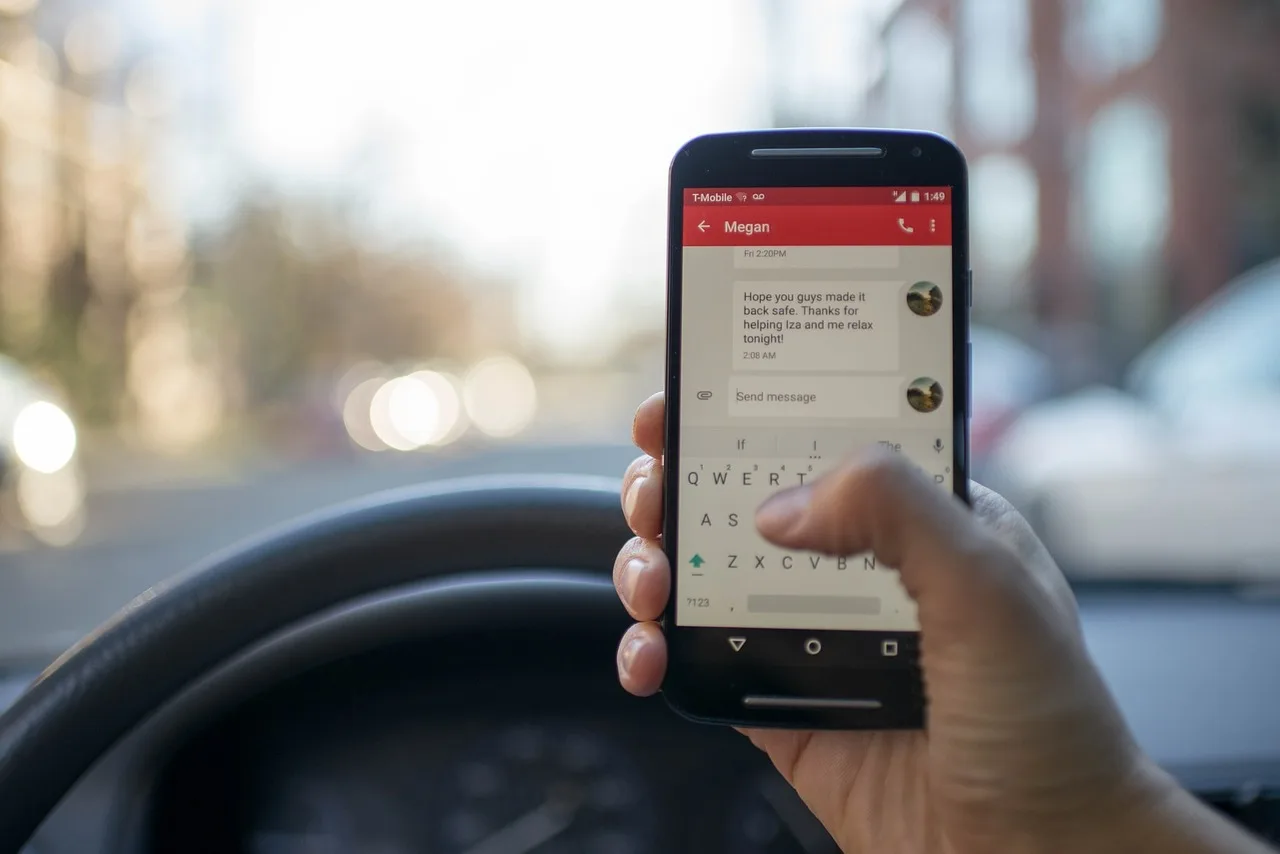
Cell phone use is a high-risk distraction source because texting, calling, and browsing can involve all three types of distraction. Texting removes the eyes from the road, the hands from the wheel, and the mind from traffic. Even hands-free calls are not risk-free, because the cognitive load still competes with driving attention.
In-vehicle infotainment systems
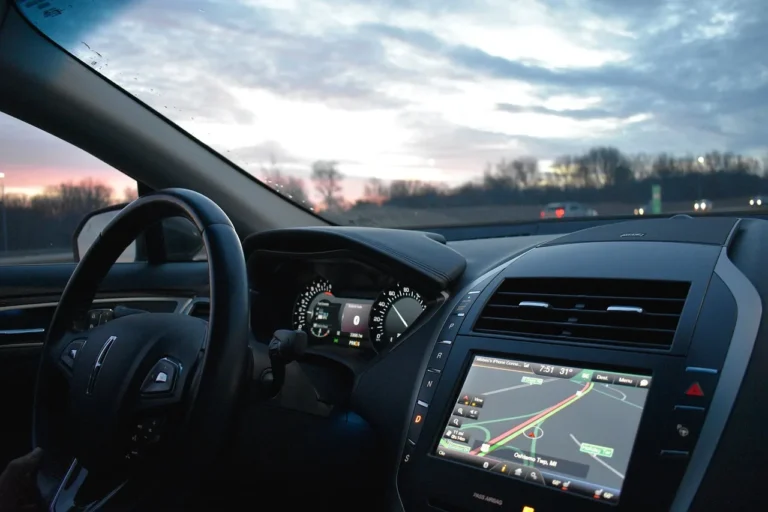
Dashboard screens and vehicle features are a newer distraction source beyond phones. GPS changes, entertainment menus, voice assistants, and other screen-heavy controls can create visual, manual, and cognitive distraction at once. CAA reports that 54% of Canadians frequently interact with their in-car infotainment system, and it advises setting playlist, podcast, safety features, GPS, and directions before driving.
Passengers, eating, and drinking
Passengers can distract or help, depending on the situation. Conversation, task-sharing, or back-seat conflict can pull the driver’s mind off the road, which matters more for teen drivers and families. Eating and drinking are common manual distractions because they briefly remove attention and hands from driving.
Suppose a driver is sipping coffee at a stoplight and then pulls into traffic while still holding the cup. The problem is not the drink alone; it is the late steering correction when the light changes and the lane gap closes sooner than expected.
External distractions on the road
Construction zones, pedestrians, cyclists, crashes, animals, and billboards are external distractions because they pull attention outside the vehicle. They can trigger rubbernecking, which delays scanning the lane ahead and slows the response to braking traffic or a merging vehicle.
A common first-timer mistake is staring at a roadside crash for two seconds too long. That brief glance can be enough to miss the car ahead slowing by a full lane length, which turns curiosity into a hard brake.
What causes distracted driving?
What causes distracted driving is usually a trigger, not a single bad habit. The trigger can be a message, a menu, a passenger comment, a spill, or a scene on the roadside. The next step is the distraction type, and the final step is the driving error it creates.
| Trigger | Distraction type | Likely driving error | Safest response |
|---|---|---|---|
| Texting | Visual, manual, cognitive | Lane drift, missed brake lights, delayed braking | Do not text while moving; pull over before replying |
| GPS changes | Visual, manual, cognitive | Late lane change, missed exit, swerving while tapping | Set the route before departure; stop to reroute if needed |
| Eating | Manual | Slower steering correction, reduced lane control | Delay the meal until parked |
| Passenger conflict | Cognitive | Missed signals, speed changes, poor gap judgment | Pause the conversation or pull over if it escalates |
| Crashes, billboards, animals | Visual, cognitive | Rubbernecking, late braking, missed lane changes | Keep eyes forward and pass the scene without staring |
Who is most at risk?
Teen drivers are a higher-risk group, and the risk is not just about age. People ages 15–20 had a higher percentage of distraction in fatal crashes than drivers 21 and older. Parent modeling matters because teens copy what they see, including quick phone checks, casual calls, and screen use that adults treat as normal.
The same source says distracted driving contributed to 22.5% of fatal collisions and 25.5% of serious injury collisions. That is why household rules matter before the car moves, not after a risky habit has already formed.
Why high-visibility enforcement matters
High-visibility enforcement is commonly described as a law-based prevention approach used with cell phone and texting laws. Visible enforcement can reduce cell phone use while driving because it changes the cost of a quick glance or tap. It works best when drivers know the rule and expect it to be checked.
Set the car before moving. Finish the GPS route, playlist, podcast, and safety settings while parked. The same source recommends setting these before driving because screen use after departure creates avoidable visual and manual distraction.
Use a simple decision rule. If the task can wait, ignore it. If it needs attention soon, defer it until the next safe stop. If it cannot be done without looking down, reaching, or thinking hard, pull over.
Keep phone use parked. Texting, browsing, and most calls should wait until the vehicle is stopped in a safe place. Hands-free calling still creates cognitive load, so it should stay short and limited to essential matters.
Coach teens with one rule set. Tell them that no message, snack, or screen task is worth a lane drift or missed light. Adults should follow the same rule, because parent behavior teaches what feels normal behind the wheel.
Ignore roadside noise. Construction, pedestrians, cyclists, crashes, and animals deserve attention only long enough to stay safe. Keep the car pointed where it belongs and do not slow down just to look.
What is not considered a driving distraction?
Not every action around driving is a distraction. A pre-set route, a mirror check, or a quick scan of traffic before merging supports the driving task instead of pulling attention away from it. The key question is whether the action takes eyes, hands, or mind off the road long enough to create a driving error.
What is not considered a driving distraction also depends on timing. A voice prompt that you already set before departure is far safer than changing settings while moving. The same action can be safe in one moment and distracting in the next.
How to avoid distracted driving
How to avoid distracted driving comes down to planning, limits, and a stop-or-go rule. If a task changes the route, screen, food, or conversation, handle it before driving or after parking. That simple habit cuts the path from trigger to distraction to crash error.
The safest response is usually to delay, ignore, or pull over. That choice protects hazard detection, lane control, and braking distance at the same time.
Frequently asked questions
What is distracted driving?
Distracted driving is driving while attention shifts away from the road, the wheel, or the driving task. It can be visual, manual, or cognitive, and it often begins with something small: a text, a menu tap, a conversation, or a glance at roadside activity.
What are distractions while driving?
What are distractions while driving? They are anything that takes eyes off the road, hands off the wheel, or mind off driving. The biggest practical groups are visual, manual, and cognitive distractions, and one event can fit more than one group at once.
Why is distracted driving dangerous?
Why is distracted driving dangerous? Because it delays the reaction that should follow a hazard. Drivers may miss brake lights, wander within the lane, speed irregularly, or fail to notice a signal change until there is too little time to respond smoothly.
How do distractions affect your driving?
How do distractions affect your driving? They cut situational awareness and make control inputs later and less precise. That can mean a missed exit, a late brake, a wide turn, a lane drift, or a failure to notice a cyclist, pedestrian, or stopped vehicle.