
How Many Teens Die From Distracted Driving?

There is no single official U.S. count for teen deaths caused only by distracted driving; the clearest national figure is 3,308 deaths in distraction-affected crashes in 2022, across all ages. These crashes can be prevented. Teens already have the highest crash risk per mile driven. This guide explains the numbers, what they do and do not mean, and what parents can do next.
How many teens die from distracted driving?
The most useful first answer is that the national headline number is not a teen-only total. The latest widely cited U.S. figure is 3,308 deaths in distraction-affected crashes in 2022, but that includes all ages. For teens, the more important question is how much distraction raises risk during a new driver’s first months.
That distinction matters. A raw death count tells you how many people died in crashes where distraction was present. It does not tell you how many of those deaths were caused by distraction alone, how many involved teen drivers, or how much higher a teen’s crash risk becomes when distraction, passengers, or night driving are added together.
Teen distraction stats
| Metric | Latest figure | Year / source | What it means | What it does not mean |
|---|---|---|---|---|
| Deaths in distraction-affected crashes, all ages | 3,308 | 2022, NHTSA | People killed in crashes where distraction was reported as a factor | Not a teen-only count, and not all were caused only by distraction |
| Teen crash involvement | Teen drivers ages 16-19 remain overrepresented in fatal crashes compared with older, more experienced drivers (CDC) | Latest national crash summaries, NHTSA / IIHS | Shows how often novice drivers show up in fatal-crash records | Not the same as deaths from distraction, and not limited to one cause |
| All-driver distracted-driving context | 3,308 deaths | 2022, NHTSA | Baseline for comparing teen-risk questions with the national total | Does not tell you the age mix inside the total |
| Teen-specific fatality rate context | Teen drivers have a higher crash rate per mile than older adults | CDC / NHTSA teen driver summaries | Explains why the same distraction creates more danger for new drivers | Not a count of deaths and not a distraction-only measure |
Source note: NHTSA’s national distracted-driving totals are crash-based and age-inclusive. Teen driver summaries usually separate crash involvement, deaths, injuries, and licensing stage, so you should not treat one table as if it answers all four questions at once.
What counts as distracted driving for teens?
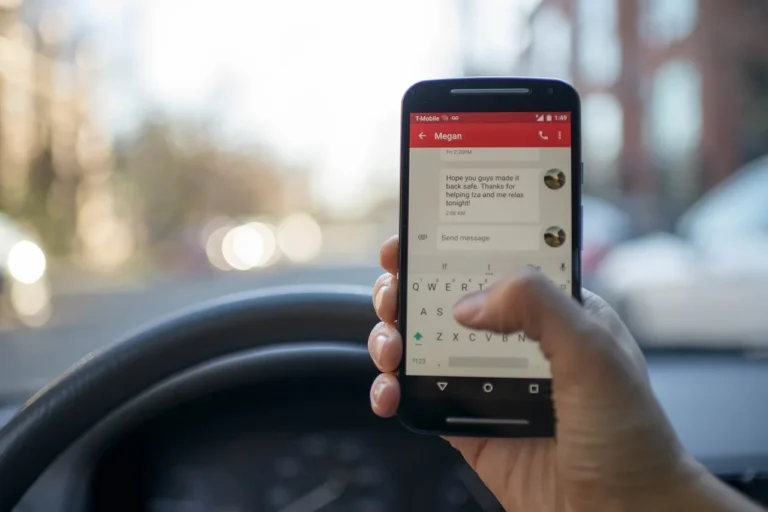
Distracted driving includes visual distraction, manual distraction, and cognitive distraction. For teens, that can mean looking at a phone, touching the screen, thinking about a message, adjusting navigation, eating, changing music, talking with passengers, or glancing at a text at a stoplight and rolling forward too soon. (Nhtsa)
Phones get the most attention because they combine all three distraction types at once. But passenger chatter, route changes, fast food, and music controls can also pull attention away at the exact moment a novice driver needs to scan mirrors, lane position, and traffic flow.
Picture a 17-year-old driver following school traffic out of a parking lot. One friend in the back seat is talking over the playlist, the driver is trying to find the next turn on the screen, and traffic ahead slows without warning. That is a multi-tasking problem, not a single distraction.
Why are teen drivers at higher risk?
Teen drivers ages 16-19 are still building the skills that older drivers use automatically: lane placement, hazard scanning, timing, and speed judgment. That inexperience makes distraction more dangerous because a small delay in reaction time can turn into a crash much faster than it would for an experienced driver.
Novice driving and low experience
New drivers have less room for error. They are still learning how to divide attention between mirrors, blind spots, signals, and surrounding traffic, so any extra task increases the chance of missing a hazard or overcorrecting.
Peer passengers and social pressure
Teen passengers matter because they add conversation, movement, and pressure to keep up with the group. Risk is especially high during the first year of licensure, when the driver is still getting used to traffic decisions and should have the fewest possible distractions in the car.
Night driving and licensing limits
Night driving raises risk for young drivers because visibility is lower and fatigue is more common. Graduated driver licensing laws often reduce that risk with nighttime limits, passenger caps, or both, but the exact rules vary by state.
A common first-timer mistake is treating a short ride as low risk. A 10-minute trip home from practice still includes intersections, lane changes, and the possibility of one passenger turning the car into a rolling conversation.
Is phone use the biggest distraction for teen drivers?
Phone use is one of the clearest and most preventable distractions for teen drivers, especially texting, manual dialing, and scrolling. Hands-free calling is safer than holding a phone, but it is not risk-free because the conversation can still take attention away from traffic.
Do-not-disturb settings help because they cut the cue to answer immediately. Parents should make phone policy simple: no handheld use, no texting, no reading messages at red lights, and no setting up apps or routes after the car is moving.
Lock in a phone rule. Require the phone to be on do-not-disturb or in a place the driver cannot reach while the car is moving. If navigation is needed, set it before shifting out of park.
Ban multitasking behind the wheel. No texting, no snapping photos, no social posting, and no app browsing at lights. A paused car is still part of traffic, and light changes happen fast.
Use a fixed consequence. If the teen violates the phone rule, suspend driving privileges for a set period, such as one week, and reset the agreement before the next trip. Consistency matters more than severity.
What should parents set before a teen drives?
Parents need a written plan, not a verbal warning that gets forgotten. The plan should cover phone use, passenger limits, nighttime driving, seat belts, and what happens after a rule break. Clear rules work better than vague reminders because they remove arguments at the curb.
Passenger and seat-belt rules
Limit the number of passengers, especially in the first year of driving, and make the rule stricter than the state minimum if needed. Require every person in the car to buckle up, including rear-seat passengers, because seat belts reduce fatal injury risk in a crash.
Written agreement and follow-through
Use a short parent-teen driving agreement with three parts: phone policy, passenger policy, and consequences. Add check-ins after the first few weeks so you can adjust the rules if the teen’s driving environment changes.
Write the phone rule. Put the exact rule on paper: no texting, no handheld calls, and no app use while the car is moving. Include what happens if the rule is broken.
Set passenger limits. Match the strictest state rule that applies, then consider setting your own lower limit for the first months. Fewer passengers means fewer distractions and less social pressure.
Set nighttime limits. Choose a curfew that is earlier than the latest legal cutoff if the teen is new to driving. Night driving should expand only after consistent safe trips.
Require every seat belt. No trip starts until every belt is clicked. Rear-seat compliance matters because unbelted passengers can be injured or can injure others in a crash.
Choose a consequence. Make the consequence known in advance, such as loss of driving access for a set number of days. Clear consequences reduce negotiation after a violation.
How can graduated driver licensing reduce risk?
Graduated driver licensing can reduce distraction risk by limiting the situations that most often cause crashes: too many passengers, too much night driving, and too little supervised practice. Parents should still check the state rule set, because passenger caps and nighttime restrictions vary by state.
These laws matter most in the first year of licensing, when teens are learning traffic judgment and are most likely to be overloaded by conversation, navigation, and speed decisions at the same time.
What to check in your state
- Passenger limits for new drivers.
- Nighttime driving restrictions and end times.
- Whether exceptions apply for work, school, or family trips.
- How long the restrictions last after licensure.
Suppose a 16-year-old has one new license, two friends in the back seat, and an evening drive home after a game. That is the kind of setup where a state passenger limit and a parent rule should line up. If the state allows one passenger, the household rule can be zero until the teen has more practice.
Frequently asked questions
How many people die from distracted driving?
The latest widely cited U.S. total is 3,308 deaths in distraction-affected crashes in 2022, according to NHTSA. That figure covers all ages and all road users, and it counts crashes where distraction was reported as a factor, not only crashes caused solely by distraction.
How many teens die from driving?
Teen driving deaths are best tracked by age-specific crash data, not by a single catchall number. Teens ages 16-19 are overrepresented in fatal crashes compared with older drivers, especially early in licensure, so parents should focus on exposure limits, passengers, seat belts, and nighttime driving.
Are teen passengers a major distraction for new drivers?
Yes. Teen passengers add conversation, movement, and social pressure, which can pull a new driver’s attention away from traffic. The risk is highest during the first year of driving, which is why many graduated licensing systems limit passengers for novice drivers.
How can parents reduce distracted driving risk for teens?
Set a written driving agreement with a phone rule, passenger limit, nighttime limit, seat-belt requirement, and a specific consequence for violations. Pair the rules with regular check-ins. The goal is fewer high-risk situations until the teen has more experience.